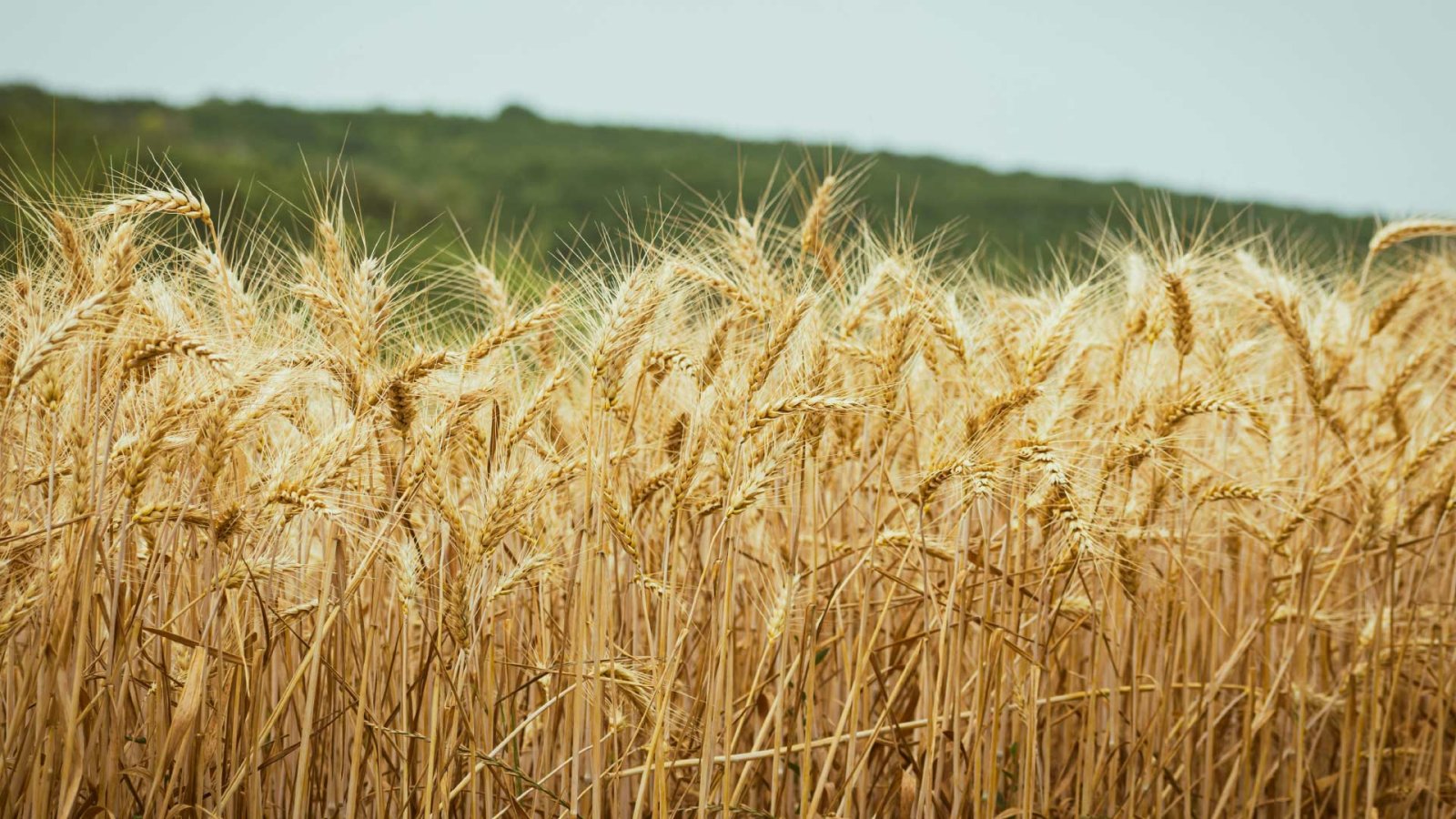
Food ecology provides a useful framework to address these challenges because it considers food systems as interconnected networks involving agriculture, natural resources, economic activities, social dynamics and public health.
Over the past decade, the concept of food ecology has moved from academic debate into the centre of European policymaking. Growing concerns about climate change, biodiversity loss, resource scarcity, public health and geopolitical instability have highlighted the need to rethink how food is produced, distributed and consumed. At the same time, recent crises—including the COVID-19 pandemic, the war in Ukraine and increasing disruptions to global supply chains—have demonstrated the strategic importance of resilient food systems capable of guaranteeing food security under increasingly uncertain conditions. Food ecology provides a useful framework to address these challenges because it considers food systems as interconnected networks involving agriculture, natural resources, economic activities, social dynamics and public health. Rather than focusing exclusively on agricultural production, it analyses the relationships between farmers, consumers, ecosystems, markets and institutions. In doing so, it seeks to identify solutions that promote sustainability while ensuring that food remains available, affordable and safe. The European Union has progressively incorporated many of these principles into its policy agenda. Initiatives such as the Green Deal, the Farm to Fork Strategy and the Biodiversity Strategy aim to accelerate the transition towards more sustainable food systems. However, the implementation of these policies has also generated significant debate among agricultural stakeholders. Farmers’ organisations, have repeatedly stressed that environmental objectives must be balanced with economic sustainability and food production capacity, alongside that of social sustainability and rural vitality. According to these organisations, sustainability cannot be achieved if farmers are unable to maintain viable businesses or if Europe becomes increasingly dependent on food imports from third countries operating under different standards under the auspices of free trade. Especially in these moments of uncertainty we understood the importance of having a EU solid food production system.
The challenge facing Europe is therefore not whether food systems should become more sustainable, but rather how this transition can be achieved without undermining agricultural competitiveness, food production and security and rural development. In this context, food ecology should not be understood as a strategy aimed at reducing agricultural production. Instead, it should be viewed as an integrated approach capable of combining environmental protection, economic growth, technological innovation and social cohesion. However, it must be clear that all of these must be brought together equally, and to have uneven approaches must be explained. This article examines the concept of food ecology through the lens of European agriculture and food policy. It explores the environmental, economic and social dimensions of food systems, analyses the role of farmers in the ecological transition and discusses how innovation and public policies can contribute to building a more sustainable and resilient future for European agriculture.
The Evolution of Food Systems - From Food Security to Food Ecology
The development of modern food systems in Europe has been closely linked to the continent’s political, economic and social evolution. Following the Second World War, one of the primary objectives of European governments was to ensure food security for a population that had experienced widespread shortages and instability. Increasing agricultural productivity became a strategic priority, leading to major investments in mechanisation, technological innovation and rural infrastructure.
The establishment of the Common Agricultural Policy (CAP) in 1962 represented a decisive step in this process. The CAP was designed by the EU Treaty to increase agricultural productivity, stabilise markets, guarantee a fair standard of living for farmers and ensure a stable supply of food at reasonable prices for consumers. For several decades, this policy contributed significantly to transforming Europe from a region concerned about food shortages into one of the world’s leading agricultural producers. The success of these policies was accompanied by profound structural changes. Agricultural production became increasingly specialised, region specific and integrated into global markets. Technological advancements allowed farmers to increase yields while reducing labour requirements. International trade expanded rapidly, creating new opportunities for exports and economic growth. Consumers also benefited from greater food availability, lower prices and a wider variety of products unlike ever before. However, the intensive development of agricultural production also generated new challenges. Over the decades, scientific research began to highlight the environmental consequences associated with certain farming practices, such as soil degradation, water pollution, biodiversity loss and greenhouse gas emissions. Growing public awareness of these issues led policymakers, researchers and civil society organisations to question whether food systems should be evaluated solely on the basis of productivity and economic efficiency.
At the same time, the concept of sustainability gained increasing prominence at both national and international levels. The emergence of global environmental concerns, particularly climate change, encouraged a broader understanding of the relationship between agriculture and natural resources. Food production was no longer viewed exclusively as an economic activity but also as a key component of environmental stewardship and social development. The concept of public goods became more developed in this area in the format of the presence of healthy natural areas, and rural vitality became intrinsically linked to what could be considered the correct type of agricultural production. It is within this context that the concept of food ecology emerged. Unlike traditional approaches focused primarily on agricultural output, food ecology adopts a systemic perspective. It recognises that food systems influence—and are influenced by—a wide range of factors including climate, biodiversity, public health, rural economies, consumer behaviour and international trade.
The transition from food security to food ecology does not imply abandoning the objective of ensuring sufficient food production. On the contrary, it reflects an effort to reconcile production goals with broader sustainability objectives. Modern food systems must simultaneously provide adequate food supplies, support farmers’ livelihoods, protect natural resources and contribute to economic development. This balance has become increasingly important in recent years. Climate-related events, geopolitical tensions and market disruptions have demonstrated that food security remains a fundamental concern. At the same time, societal expectations regarding environmental protection and animal welfare continue to grow. As a result, contemporary agricultural policies are increasingly expected to address multiple objectives simultaneously.
Food ecology therefore represents the next stage in the evolution of food systems. It seeks to move beyond the traditional opposition between productivity and sustainability by promoting integrated solutions capable of delivering economic, environmental and social benefits. For European agriculture, this means embracing innovation, improving resource efficiency and strengthening resilience while continuing to guarantee food security and competitiveness in a rapidly changing global environment.
Without agriculture rural areas will be abandoned that’s a fact.
A systemic approach to Food Systems
Food ecology is often described as a holistic approach to understanding food systems. Rather than analysing agriculture, nutrition, environmental protection or economic development separately, it examines the interactions between these different dimensions and seeks to identify solutions capable of generating positive outcomes across multiple sectors. At its core, food ecology recognises that food systems operate within complex ecological, economic and social environments. Agricultural production depends on natural resources such as soil, water, biodiversity and climate stability. At the same time, farming activities influence these resources through land use, resource consumption and environmental management practices. Food systems also shape rural economies, employment opportunities, public health outcomes and patterns of international trade. Without agriculture rural areas will be abandoned that’s a fact. This interconnected nature means that decisions taken in one area frequently generate consequences in another. Policies designed to reduce environmental impacts, for example, may affect agricultural productivity or production costs. Similarly, efforts to maximise yields without considering environmental consequences may undermine the long-term sustainability of natural resources upon which agriculture itself depends. Farmers are extremely aware of this and are, therefore, those who engage first in protecting nature resources. Food ecology therefore seeks to overcome fragmented policymaking by encouraging integrated approaches capable of balancing multiple objectives simultaneously. Sustainability within food systems is often described through three complementary pillars: environmental sustainability, economic sustainability and social sustainability, as mentioned above.
Environmental sustainability focuses on managing and supporting natural resources and ecosystem functions. This includes reducing greenhouse gas emissions, protecting biodiversity, improving water management and improving soil health. These objectives are essential not only for environmental reasons but also because agriculture ultimately depends on healthy ecosystems to remain productive.
Economic sustainability concerns the viability of agricultural enterprises and rural economies. Farmers must generate sufficient income to invest, innovate and continue producing food. The famous adage, you cannot go green if you are in the red, confirms the necessity for financial viability is the foundation of sustainability pillars. Without economic sustainability, environmental ambitions risk becoming politically and practically unattainable. Social sustainability includes food accessibility, public health, employment opportunities and rural development. Food systems should contribute to social cohesion by ensuring that consumers have access to affordable and nutritious food while supporting vibrant rural communities. Agriculture also provide jobs and stability in these areas.
A central principle of food ecology is that these three pillars cannot be treated independently. Long-term environmental sustainability requires economically viable farms. Economic viability depends upon healthy natural resources. Social stability relies upon both food security and prosperous rural territories. Successful food policies must therefore address all dimensions simultaneously. Innovation is key. This systemic perspective has become increasingly relevant as policymakers confront multiple crises occurring at the same time. Climate change, geopolitical tensions, demographic shifts and changing consumer expectations are creating pressures that cannot be addressed through isolated policy interventions. Food ecology offers a framework capable of understanding these challenges as interconnected components of a broader system. For European agriculture, this approach suggests that the future lies not in choosing between production and sustainability but in finding innovative ways to strengthen both. It is precisely this balance that many agricultural organisations advocate when discussing the future of European food systems.
The Environmental challenge - Agriculture and Natural Resources
Environmental sustainability occupies a central place within the concept of food ecology. Agriculture depends directly upon natural resources and ecosystem services, making environmental protection not only an ecological necessity but also an economic imperative for the future of food production.
Climate change represents perhaps the most significant environmental challenge facing global agriculture. Rising temperatures, changing precipitation patterns and increasing frequencies of extreme weather events are already affecting agricultural production across Europe. Droughts have become more frequent in Southern Europe and even Northen Countries are starting to have droughts, while floods and storms have generated significant losses. These developments highlight the vulnerability of food systems to climate instability. Agriculture at the same time contributes to greenhouse gas emissions and contributes to climate mitigation through some practices such as regenerative agriculture and carbon sinking. This dual relationship places agriculture in a unique position: it is both affected by climate change and contribute to climate mitigation efforts. European farmers are already operating under some of the world’s highest environmental standards. Additional requirements should therefore be accompanied by adequate support mechanisms, realistic transition periods and investments in innovation. The objective should not be to reduce European agricultural production but rather to improve its environmental performance. Biodiversity constitutes another critical dimension of food ecology. Agricultural landscapes host a wide variety of species that contribute to ecosystem functioning. Pollinators, soil organisms and natural pest predators provide essential services that support agricultural productivity. The decline of biodiversity can therefore generate direct economic consequences for food production. Protecting biodiversity requires a combination of approaches, including habitat conservation, sustainable land management and the adoption of farming practices that enhance ecosystem resilience. Many farmers already play a key role as environmental stewards, managing large portions of Europe’s territory and contributing to landscape preservation.
Water management is equally important. Agriculture remains one of the largest users of freshwater resources worldwide. Increasing water scarcity in several European regions has intensified discussions regarding irrigation efficiency and resource management. Innovative technologies, including precision irrigation systems and digital monitoring tools, offer opportunities to improve water use efficiency while maintaining productivity. Soil health represents another fundamental component of sustainable food systems. Healthy soils support agricultural production, store carbon, regulate water cycles and contribute to biodiversity conservation. Yet soil degradation, erosion and loss of organic matter continue to threaten agricultural productivity in many regions. Tha’s the reason why many farmers are embracing preservative agriculture. Food ecology therefore emphasises the need to manage natural resources in ways that maintain their productive capacity over the long term. This does not necessarily imply reducing production levels. Instead, it encourages investments in innovation, technology and knowledge transfer that allow farmers to produce more efficiently while reducing environmental impacts. In this regard, the environmental dimension of food ecology should be understood not as a constraint imposed upon agriculture but as an opportunity to strengthen the resilience and sustainability of food systems. The challenge lies in ensuring that environmental objectives remain compatible with food security, economic viability and the competitiveness of European agriculture. Farmers are not the problem but part of the solution.
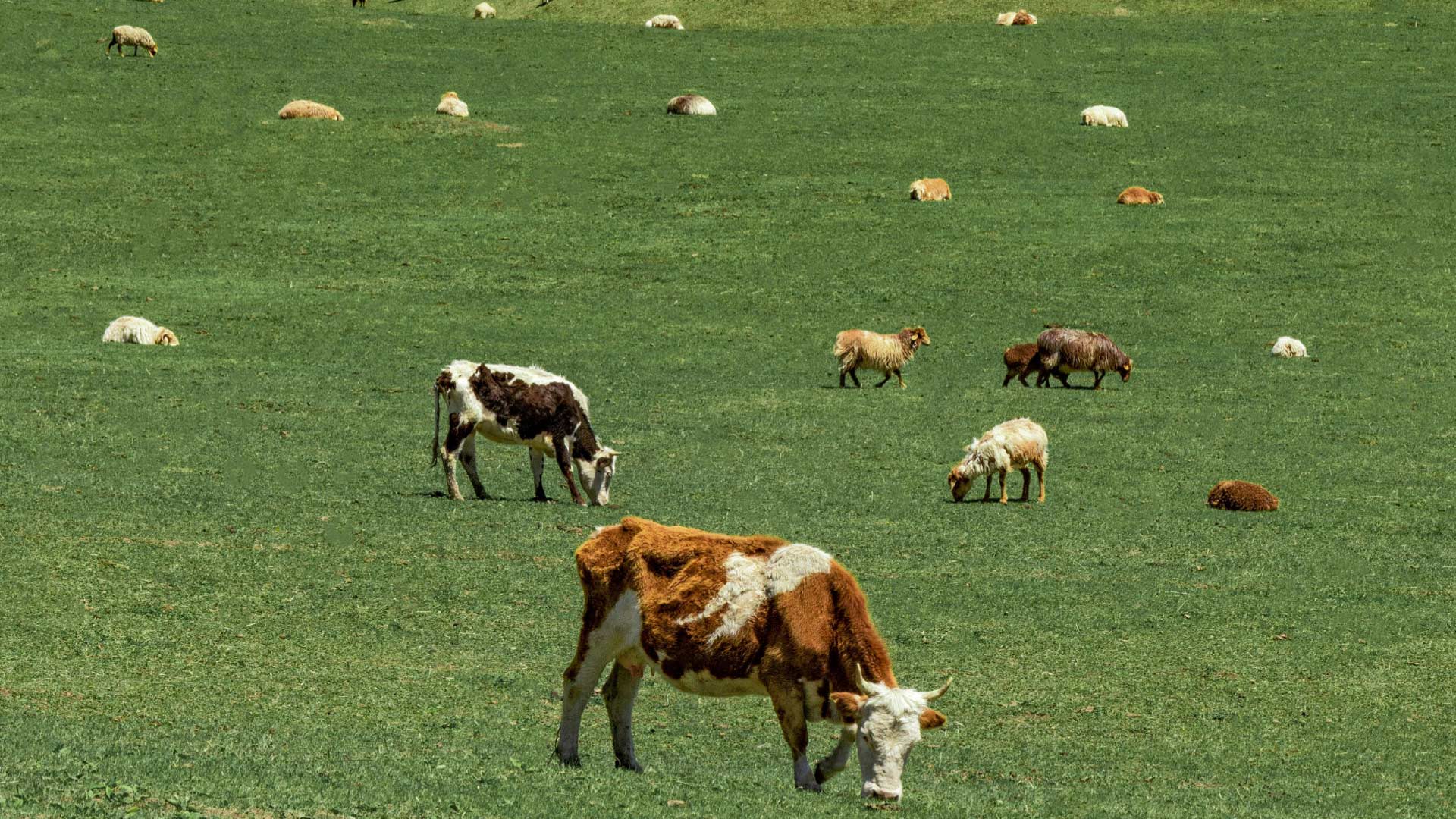
Photo by Yang on Unsplash
Food Security in an era of geopolitical uncertainty
For many years, food security was often taken for granted within Europe. The success of the Common Agricultural Policy, advances in agricultural productivity and the expansion of international trade created the impression that food availability was no longer a major strategic concern. Recent events have demonstrated the opposite. The COVID-19 pandemic exposed vulnerabilities within global supply chains and highlighted the importance of maintaining resilient food production systems. Shortly afterwards, Russia’s invasion of Ukraine generated severe disruptions in global agricultural markets. Ukraine and Russia are among the world’s largest exporters of cereals, oilseeds and fertilisers. The conflict affected international trade flows, increased production costs and contributed to food price volatility across global markets. These developments have reinforced awareness that food security remains a strategic issue. In a context characterised by geopolitical tensions, climate uncertainty and increasing competition for resources, maintaining domestic food production capacity has become an essential policy objective. Food ecology therefore cannot be reduced exclusively to environmental considerations. Sustainable food systems must also remain productive and resilient. A food system that significantly reduces domestic production while increasing dependence on imports may achieve certain environmental targets on paper while simultaneously creating new strategic vulnerabilities. This concern is frequently raised by European farmers’ organisations. We argue that sustainability policies should not result in carbon leakage or production leakage, whereby agricultural production is displaced outside Europe to countries operating under less stringent environmental, labour or animal welfare standards. Such an outcome could undermine both European farmers and global sustainability objectives. Some EU policies in the past failed to create an environmental dumping leaving Europe to produce less and letting Third Countries to produce more without respecting high environmental standards. The concept of strategic autonomy has increasingly entered discussions surrounding agriculture and food policy. While complete self-sufficiency is neither realistic nor desirable, Europe must preserve sufficient productive capacity to guarantee food availability especially during periods of crisis. The ability to produce food should be regarded as a strategic asset comparable to energy security or defence capabilities. Food security is national security. These conflicts and crises continue in the wake of the invasion of Iran, which further stressed supply lines for critical resources used in the production of food. As a result, food security became ever closer related to resource security, and self-sufficiency wherein the essential inputs for food production such as fertilisers needing to be sourced closer to home, and from more accessible routes. Many options for this particular example include aspects related to livestock manure management, reconstitution, and transportation to different regions where there is a lack of livestock production. Bioeconomy solutions have existed for decades, but it is now in the wake of a crisis that these solutions become viable and mainstreamable. Food ecology therefore requires balancing environmental ambitions with food security considerations. Long-term sustainability depends not only on protecting ecosystems but also on ensuring that societies can reliably access sufficient quantities of safe and affordable food. This balance will become increasingly important as global population growth, climate pressures and geopolitical competition continue to reshape international food systems.
Farmers’ Perspective - Ensuring a Fair and Viable Transition, farmers as part of the solution
While discussions surrounding food ecology often focus on environmental targets, climate objectives and consumer expectations, the success of any transition ultimately depends on the people responsible for producing food. Farmers occupy a unique position within the food system: they are both economic actors and environmental managers, responsible for maintaining productive agricultural land while adapting to increasingly ambitious sustainability requirements. For this reason, many agricultural organisations have consistently argued that farmers must be placed at the centre of the ecological transition rather than being treated as passive recipients of regulatory obligations. The long-term sustainability of European food systems depends on the ability of farmers to remain economically viable, technologically innovative and socially resilient.
Economic Sustainability as the foundation of environmental sustainability
European farmers operate in a highly competitive global market while simultaneously complying with some of the highest environmental, sanitary and animal welfare standards in the world.
Over recent years, agricultural producers have faced increasing pressures linked to rising production costs, volatile commodity prices, energy market disruptions, labour shortages and extreme weather events. At the same time, they have been required to invest in new technologies, improve environmental performance and adapt to evolving regulatory frameworks. These challenges highlight an essential principle: sustainability must be financially sustainable. Farmers cannot be expected to implement new environmental practices if they lack the economic resources necessary to support such investments. This concern became particularly visible during the debates surrounding the European Green Deal and the Farm to Fork Strategy. While agricultural organisations broadly support the objective of improving sustainability, they have repeatedly called for realistic implementation pathways supported by comprehensive impact assessments. Reaching the same goals with different paths. Their concern is not the environmental ambition itself, but rather the risk that rapid regulatory changes could undermine farm profitability and accelerate the decline of agricultural production within Europe.
The Common Agricultural Policy as a strategic instrument
The Common Agricultural Policy remains the most important European instrument for supporting farmers during the ecological transition. As underlined, since its creation in 1962, the CAP has evolved significantly, moving from a policy primarily focused on increasing production towards a framework that increasingly incorporates environmental and climate objectives. Farmers’ organisations generally support the idea that the CAP should contribute to sustainability goals while continuing to fulfil its original mission of guaranteeing food security and supporting farm incomes. This is based off the original social contract that was developed in the 1960s, which created supports for farmers in exchange for high quality, affordable food in Europe, and as such according to agricultural stakeholders, the CAP should remain a strong and adequately funded policy capable of ensuring stability in a sector exposed to significant market and climatic risks. One of the main concerns expressed by farmers’ organisations is the growing complexity of the CAP. Successive reforms have introduced increasingly sophisticated environmental requirements, reporting obligations and administrative procedures. While many of these measures pursue legitimate objectives, excessive bureaucracy can create significant burdens, particularly for small and medium-sized farms. Agricultural organisations therefore advocate a CAP that remains ambitious but also practical and accessible. Simplification, administrative efficiency and flexibility are frequently identified as priorities for future reforms. Another important issue concerns the future budget of the CAP. Farmers’ representatives have repeatedly argued that new environmental and climate obligations cannot be implemented effectively if financial resources continue to decline in real terms. In their view, a strong CAP budget is essential not only for supporting agricultural incomes but also for financing the transition towards more sustainable farming systems. Farmers need incentives as to produce affordable food and as to invest in innovative food productive systems and those innovation has a cost.
Farm to Fork - The green dream
The Farm to Fork Strategy represents one of the flagship initiatives of the European Green Deal. Its objective is to accelerate the transition towards a fair, healthy and environmentally friendly food system by addressing the entire food chain, from agricultural production to consumer behaviour.
Many of the objectives contained within the strategy are broadly supported by the agricultural sector. These include reducing food waste, improving resource efficiency, promoting sustainable consumption and strengthening the resilience of food systems. However, farmers have also expressed concerns regarding certain quantitative targets included in the strategy. Among the most debated measures were proposals to significantly reduce pesticide use, fertiliser use and agricultural inputs while expanding organic farming. The principal concern was not opposition to sustainability itself but uncertainty regarding the cumulative impact of multiple regulatory targets on agricultural productivity. Many farming and food producing organisations argued that achieving these objectives without sufficient technological alternatives could reduce production levels, increase production costs and weaken the competitiveness of European agriculture. Several studies cited during policy debates suggested that substantial reductions in agricultural output could occur if ambitious environmental targets were implemented without adequate innovation, investment and transition mechanisms. Farmers therefore called for comprehensive scientific assessments evaluating both environmental benefits and economic consequences. From this perspective, sustainability objectives should be accompanied by realistic implementation strategies that maintain Europe’s capacity to produce food while improving environmental performance.
Farmers are not simply subjects of this transition; they are among its most important actors.
From the Green Deal to the Competitiveness Compass and the Vision for agriculture - A New Approach to Sustainability
The political debate surrounding European agriculture has evolved significantly since the election of the new European Parliament and the new European Commission in 2024. Many stakeholders within the agricultural sector have argued that the initial implementation of the European Green Deal underestimated a fundamental dimension of sustainability: competitiveness. While the environmental ambitions of the Green Deal were broadly recognised, farmers’ organisations repeatedly warned that environmental objectives could not be pursued independently from economic realities. In this context, the publication of the Competitiveness Compass marked an important shift in the European Commission’s approach. Rather than abandoning climate and environmental objectives, the new strategy acknowledges that these goals must be achieved through more pragmatic and economically sustainable pathways. Same goals different paths. This evolution reflects a principle that agricultural organisations have consistently defended: there can be no environmental sustainability without economic sustainability. Farmers cannot be expected to invest in greener production methods if their businesses are no longer economically viable. The Competitiveness Compass also recognises that transitions require time, investment and political support. Structural changes cannot be imposed overnight but must be gradual, predictable and accompanied by adequate policy instruments. A similar message can be found in the Vision for Agriculture and Food presented by Commissioner Christophe Hansen. The Vision acknowledges that certain elements of previous policies require adaptation in order to better balance environmental objectives with food production, competitiveness and rural development.
One of the most notable examples concerns the livestock sector. During the early stages of the Green Deal debate, livestock farming was often portrayed primarily as a source of environmental pressure. The new policy discourse adopts a more balanced perspective, recognising that sustainable livestock production can play an important role within European food systems. Rather than reducing livestock production as an objective in itself, the focus is increasingly shifting towards improving sustainability through innovation, better management practices and technological progress.
The recent simplification of several Common Agricultural Policy requirements has also been welcomed by farmers’ organisations. Revisions to Good Agricultural and Environmental Conditions (GAECs) have reduced administrative burdens while preserving environmental objectives. According to many stakeholders, these adjustments demonstrate that environmental protection and food production do not need to be in conflict. Simplification can improve both policy effectiveness and farm competitiveness. Another important aspect of the Vision concerns the principle of reciprocity in international trade. European farmers are increasingly concerned about the risk of being subject to stringent production standards while competing against imports produced under less demanding environmental, animal welfare and labor conditions. This debate has become particularly visible in discussions surrounding the EU-Mercosur agreement. Farmers’ organisations across Europe have argued that trade liberalisation should not create situations in which European producers are placed at a competitive disadvantage because they comply with higher standards. In their view, such asymmetries amount to environmental and social dumping, whereby production is effectively outsourced to regions operating under lower regulatory requirements. Recent food safety concerns have
further
strengthened these arguments. Cases involving imports from South America of meat products containing substances prohibited within the European Union have raised questions regarding the consistency of European trade and food policies. For many farmers, these episodes illustrate the need for stronger enforcement of reciprocity principles and more effective controls on imported products. The Vision for Agriculture and Food also introduces important reflections regarding plant protection products. The Commission’s recent proposals aimed at simplifying approval procedures and facilitating access to innovative crop protection tools represent a significant departure from the previous Sustainable Use Regulation (SUR) proposal. The SUR, promoted under the first Von der Leyen Commission, envisaged a 50% reduction in the use of plant protection products across the European Union. While farmers support the objective of reducing risks associated with crop protection products, many stakeholders argued that quantitative reduction targets alone failed to take sufficient account of agronomic realities, regional differences and the availability of alternative solutions. The current approach places greater emphasis on innovation, risk-based assessments and access to new technologies, reflecting a broader shift towards achieving sustainability objectives through technological progress rather than through restrictions alone. Taken together, these developments suggest that European agricultural policy is entering a new phase. Environmental sustainability remains a central objective, but it is increasingly being integrated with concerns related to competitiveness, food security, technological innovation and the long-term viability of farming communities. This more balanced approach is widely viewed by the agricultural sector as a necessary condition for building truly sustainable food systems in Europe. A last element farmers are waiting for is the approval of the regulation of New breeding techniques that will allow to produce without using input and protecting yields at the same time.
Lessons learned
The debate surrounding food ecology highlights the importance of partnership. The ecological transition cannot be imposed successfully through regulation alone. It requires cooperation between policymakers, researchers, consumers and farmers.
The future of European agriculture depends upon achieving a balanced approach that combines environmental ambition with economic realism. Farmers must remain competitive, rural communities must remain vibrant and Europe must continue to guarantee food security for its citizens.
Food ecology therefore requires more than environmental objectives. It requires policies capable of reconciling sustainability, productivity and competitiveness within a coherent and long-term vision for European agriculture. Farmers are not simply subjects of this transition; they are among its most important actors.
What’s next
The future Common Agricultural Policy for the 2028–2034 period should reconcile environmental sustainability, food security, competitiveness and rural development. However, the European Commission’s proposals of July 2025 have raised significant concerns within the agricultural sector. The reduction of CAP funding in real terms, combined with the increasing integration of agricultural expenditure into broader national planning frameworks, has fuelled fears of a gradual renationalisation of what has historically been the European Union’s most integrated and strategic policy. Ultimately, this debate goes far beyond agricultural funding and reflects a broader question about the place of agriculture within the European project. If the European Union genuinely considers food security, environmental sustainability and strategic autonomy to be priorities, then agriculture must be recognized as a strategic sector and supported accordingly. At a time of growing geopolitical uncertainty and increasing challenges to global food security, the proposed reforms have reopened a fundamental discussion: whether Europe is willing to equip its farmers with the resources necessary to meet rising expectations, or whether it risks weakening one of the foundations of its economic resilience, territorial cohesion and food sovereignty.