The European landscape is not untouched nature. It is a cultural landscape, shaped by generations of farmers, fishermen, foresters, shepherds and hunters.
Europe faces a paradox. Never has biodiversity occupied such a prominent place in public debate. Governments, institutions and international organisations devote considerable attention to protecting species, habitats and ecosystems. Yet, at the very moment environmental concerns have become mainstream, many of the people who live closest to nature increasingly feel portrayed not as part of the solution, but as part of the problem. This divide is more than political. It is cultural. At its heart lies a fundamental disagreement about the relationship between people and the natural world. One vision sees nature primarily as a fragile space that must be protected from human intervention. The other recognises that human communities, when rooted in place and acting responsibly, can actively contribute to ecological balance. The future of Europe’s landscapes may depend on which of these visions prevails.
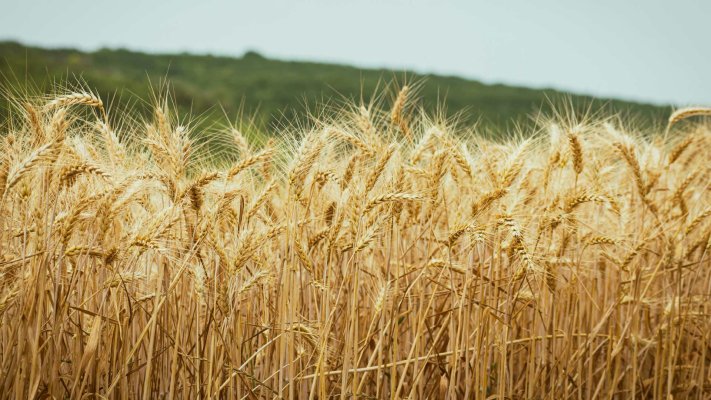
Europe is not a wilderness continent. It never has been. Its forests, meadows, wetlands, hedgerows and open landscapes are the product of centuries of interaction between human societies and the environments they inhabit. The European landscape is not untouched nature. It is a cultural landscape, shaped by generations of farmers, fishermen, foresters, shepherds and hunters. This historical reality matters because it challenges a growing assumption within parts of the environmental debate: that conservation and human activity are fundamentally opposed.
In much of Europe, the opposite is often true. The disappearance of human stewardship can be just as damaging as overexploitation. When rural communities decline, landscapes close, habitats disappear, traditional ecological knowledge is lost and biodiversity frequently suffers alongside the people who once sustained it. Environmental policy cannot therefore be reduced to a choice between protection and exploitation. It must also be understood through the lens of responsibility.
Every day, millions of Europeans exercise that responsibility, often without recognition. Farmers monitor the health of their soils and ecosystems. Fishermen witness changes in aquatic environments long before they appear in official reports. Hunters observe wildlife populations, migration patterns, habitat degradation and the spread of invasive species. Their knowledge is practical, acquired through continuous presence on the land and on the water. At a time when public policy increasingly relies on data, it would be a mistake to overlook one of Europe›s most valuable sources of environmental knowledge: the men and women whose livelihoods, traditions and daily lives remain directly connected to nature. This reality is particularly visible within the hunting community. Across Europe, hunting has evolved significantly over recent decades. The image of hunting as a purely extractive activity no longer reflects the reality of many territories. Hunters contribute to wildlife monitoring, habitat restoration, wetland management, scientific surveys and species regulation. In many regions, they are among the most active investors in biodiversity conservation. The François Sommer Foundation›s white paper Hunting, Nature and Society 2040 rightly argues that the right to hunt carries with it a duty to conserve. This principle reflects a broader truth: sustainable human activities do not flourish against nature. They flourish alongside it.
For much of the twentieth century, environmentalism was built around the concept of protection. Faced with habitat destruction and species decline, that ambition was necessary and justified. Today, however, protection alone is no longer sufficient. The central challenge facing Europe is not simply how to preserve isolated natural areas. It is how to ensure the long-term stewardship of inhabited landscapes. That stewardship cannot be delivered by regulations alone. It requires communities with deep roots in the territories they inhabit. It requires the transmission of knowledge, practices and responsibilities across generations. Too often, contemporary environmental debates are shaped by what might be described as an ecology of distance: perspectives developed primarily through institutions, urban centres and administrative frameworks. Such approaches remain valuable, but they can become disconnected from local realities. An ecology of presence offers an essential complement. Grounded in direct experience, it allows environmental change to be detected quickly, management practices to be adapted pragmatically and ecological challenges to be understood in their full complexity. The challenge is not that one approach exists. The challenge is that the two are too often presented as incompatible.
Who Will Pay for Nature?
One question remains surprisingly absent from public debate: who will finance conservation in the decades ahead? Europe’s environmental ambitions have never been greater. Restoring wetlands, protecting endangered species, rebuilding hedgerow networks, preserving ecological corridors, combating invasive species, preventing wildfires and adapting to climate change all require substantial investment. Behind every restored hectare and every protected habitat lies a simple reality: conservation comes at a cost. A law does not restore a pond. A decree does not maintain a meadow. A directive does not clear undergrowth in a forest exposed to wildfire risk. Environmental goals must ultimately be translated into concrete action on the ground. Across Europe, thousands of local actors devote time, expertise and financial resources to the stewardship of natural environments. Farmers maintain open habitats that support biodiversity. Foresters manage woodlands increasingly affected by droughts and storms. Hunters finance habitat improvement, wildlife surveys and conservation initiatives aimed at maintaining healthy wildlife populations. Their contribution often receives little attention, yet it represents one of the most tangible pillars of European conservation. This is not merely a financial issue. It is also a philosophical one. A protected natural environment cannot rely indefinitely on ever-increasing public expenditure at a time when governments face mounting fiscal pressures. Conservation must also rest upon communities that find purpose, responsibility and commitment in preserving the territories they inhabit.
Every generation inherits landscapes it did not create. Forests planted by previous generations provide shade today.
For several decades, Western societies have developed a paradoxical relationship with nature. We readily acknowledge its ecological and cultural importance, yet often hesitate to recognise its economic value. What has no value ultimately struggles to find defenders. The future of European biodiversity will depend on our ability to reconcile these dimensions. Conservation should not be viewed solely as a cost. It is also an investment in resilient territories, thriving landscapes and the transmission of a shared heritage.
Who Will Care for Nature Tomorrow?
A second challenge deserves far greater attention. Across much of Europe, the communities that have traditionally maintained close relationships with the natural world are ageing. Farmers are retiring. Small-scale fishermen are becoming fewer. In many regions, hunting associations struggle to attract younger generations. The issue is not only demographic. It is cultural. For centuries, environmental knowledge was transmitted through practice. Children learned to read landscapes alongside parents and grandparents. They discovered the rhythms of seasons, wildlife behaviour and land management not through textbooks, but through experience. Modern societies have gained enormously from urbanisation and technological progress. Yet they have also created a growing distance between people and the ecosystems upon which they ultimately depend.
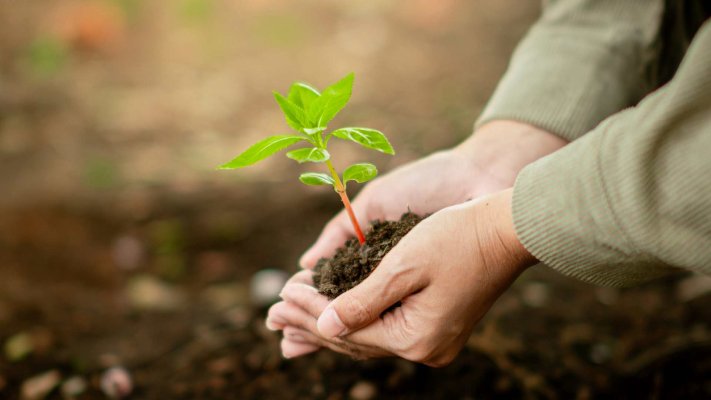
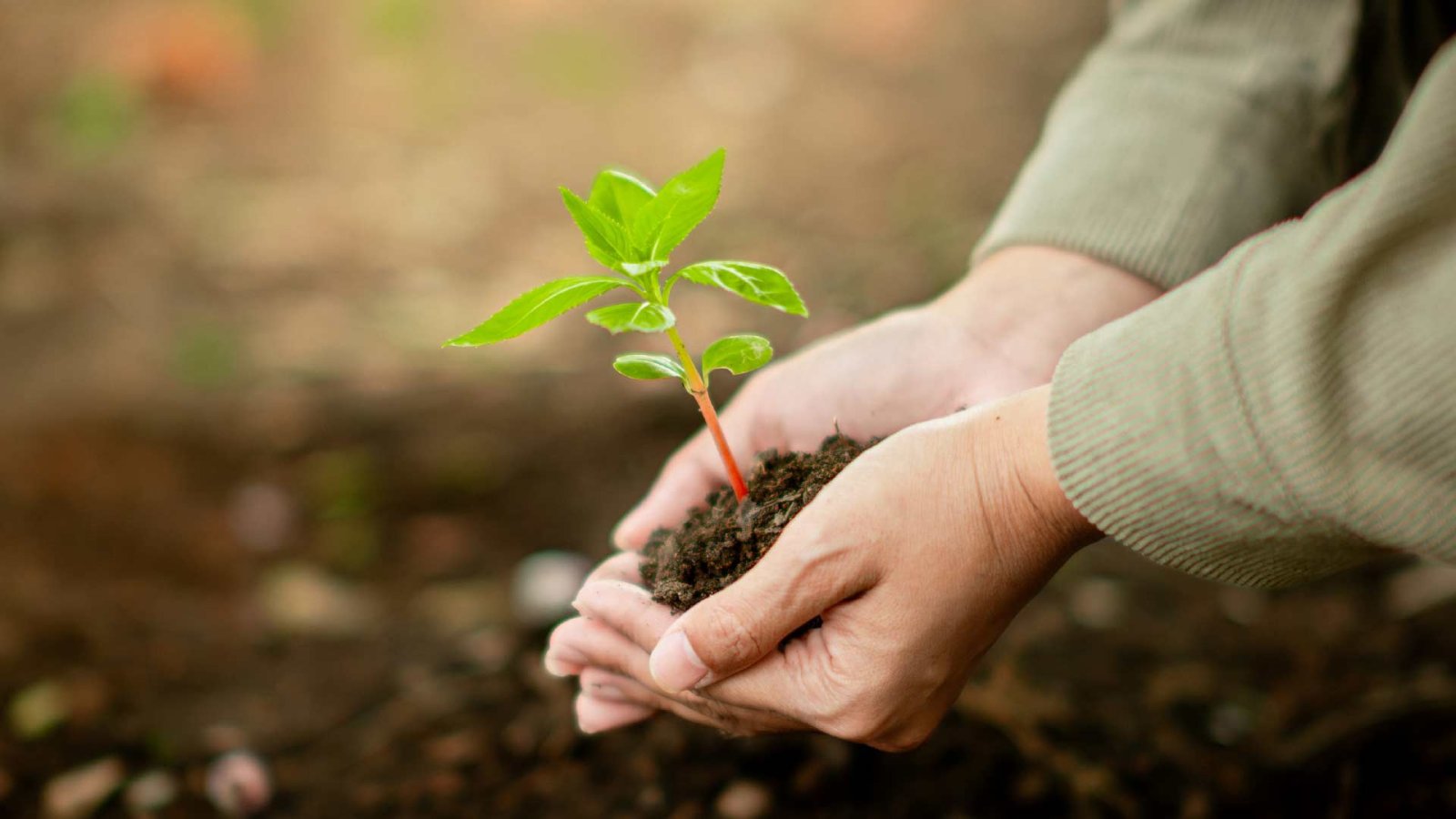
Scientific expertise remains indispensable. Satellite imagery can reveal changes in vegetation cover. Ecological models can identify long-term trends. But expertise alone cannot replace presence. The future of conservation depends not only on protecting species and habitats. It also depends on preserving the human capacity to understand and care for them. Every generation inherits landscapes it did not create. Forests planted by previous generations provide shade today. Wetlands restored decades ago continue to support wildlife. Hedgerows maintained by farmers long since gone still shelter countless species. Stewardship is therefore always an act of transmission. Without transmission, conservation becomes fragile. Protected areas may remain on maps, but the living relationships that sustain landscapes gradually disappear. A society that loses its guardians eventually risks losing more than knowledge. It risks losing its ability to care.
Beyond Conservation
This challenge increasingly mirrors a broader cultural fracture between urban and rural Europe. Over recent decades, rural populations have declined, traditional livelihoods have weakened and local knowledge has gradually lost visibility within public discourse. Practices inherited from previous generations are frequently judged solely according to their immediate utility.
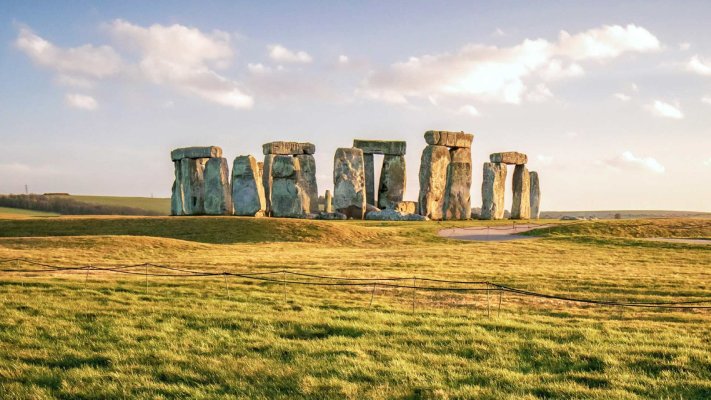
Hunting illustrates this phenomenon particularly clearly. Public debate often focuses on the act of hunting itself while paying far less attention to what hunting represents culturally. Yet hunting is not simply a leisure activity. It is also part of Europe›s intangible heritage. Hunting with hounds, duck hunting and traditional regional practices embody stories, skills, rituals and local identities that connect communities to particular landscapes. This does not mean every tradition should remain frozen in time. All human practices evolve. But neither should we assume that traditions have no value simply because they are old. A society that loses its traditions often loses part of its ability to understand the places from which those traditions emerged.
This ultimately raises a broader question of resilience. Wildfires, floods, droughts, invasive species and emerging animal diseases are becoming increasingly common across Europe. In each case, the first people to observe environmental change are often those who live and work closest to the land. Their observations, accumulated day after day and year after year, represent an invaluable source of knowledge. They allow environmental change to be identified earlier, management practices to be adapted more rapidly and local ecosystems to be understood in ways that no centralised system can fully replicate. In an era increasingly defined by uncertainty, this capacity for adaptation has become one of Europe’s greatest environmental assets. Europe now faces a choice. One path frames humanity and nature as permanent adversaries. The other recognises that long-term conservation depends upon cooperation between them. The stakes extend far beyond hunting, fishing or agriculture. They concern the place of human beings within the living world itself. Europe’s environmental future will not be secured by regulations alone. Laws, strategies and protected areas remain essential, but they cannot replace the people who manage landscapes on a daily basis. Farmers, fishermen, foresters and hunters form part of a living network of stewardship that connects communities to the natural world. Conservation ultimately depends not only on protecting nature, but on maintaining the human commitment required to care for it. If Europe wishes to preserve its biodiversity over the long term, it must recognise that thriving ecosystems and thriving rural communities are not competing objectives. They are deeply interconnected. The living world needs guardians, and those guardians need a place within the environmental future we are building.